
Research & Strategic Studies
Rigorous, non-partisan policy papers, budget evaluations, and doctrinal monographs anchored in primary Parliamentary records, official Ministry of Defence (PIB) disclosures, CAG audits, and Defence Observer’s 5-Level Verification Protocol.
Latest Strategic Research Papers

India’s Defence Startup Ecosystem: iDEX, ADITI & the New Innovation Frontier
By Defence Observer Strategic Research Centre, Emerging Warfare & Innovation Desk
India’s defence startup ecosystem has moved from pilot projects to production contracts, with the iDEX framework and the ADITI scheme onboarding hundreds of startups and MSMEs into unmanned systems, counter-UAS, electronic warfare, and software-defined platforms. This paper examines how the Defence Innovation Agency model is converting India’s technology talent into sovereign defence capability.
India’s Defence Exports Cross ₹38,000 Crore: The Atmanirbhar Export Doctrine
By Defence Observer Strategic Research Centre, Defence Industry & Export Desk
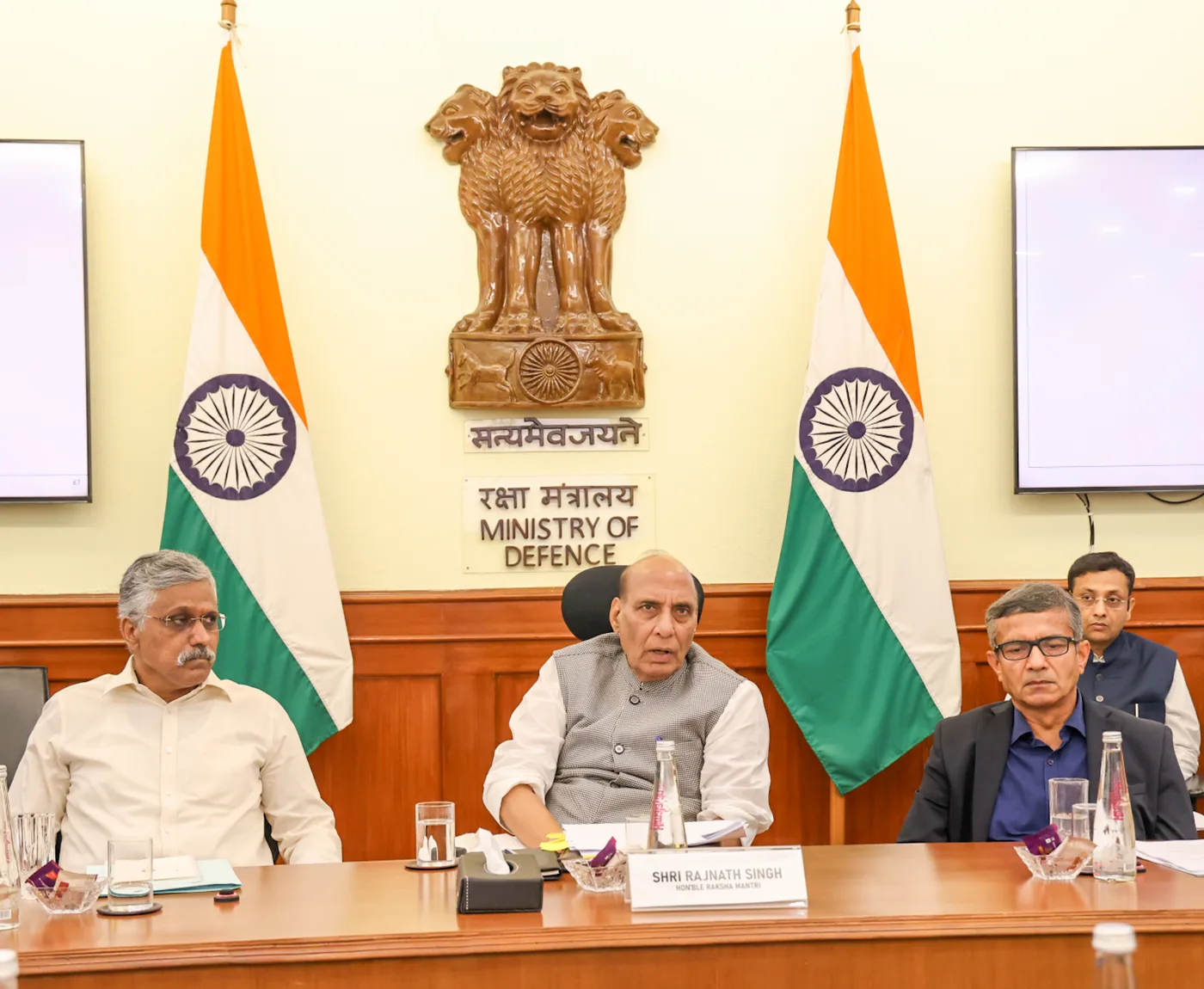
India’s defence exports have grown from ₹686 crore in FY 2013–14 to over ₹38,000 crore in FY 2025–26, a fifty-five-fold expansion that marks the emergence of a structural export doctrine. This paper examines the policy instruments — the positive indigenisation lists, the iDEX innovation pipeline, and the 75% domestic capital earmark — that have converted India from a net importer into a credible defence supplier to partner nations across Asia, Africa, and Latin America.
Tri-Service Integration, CDS/DMA Reforms, and the Road to Integrated Theatre Commands
By Defence Observer Strategic Research Centre, Military Modernisation & Doctrine Desk
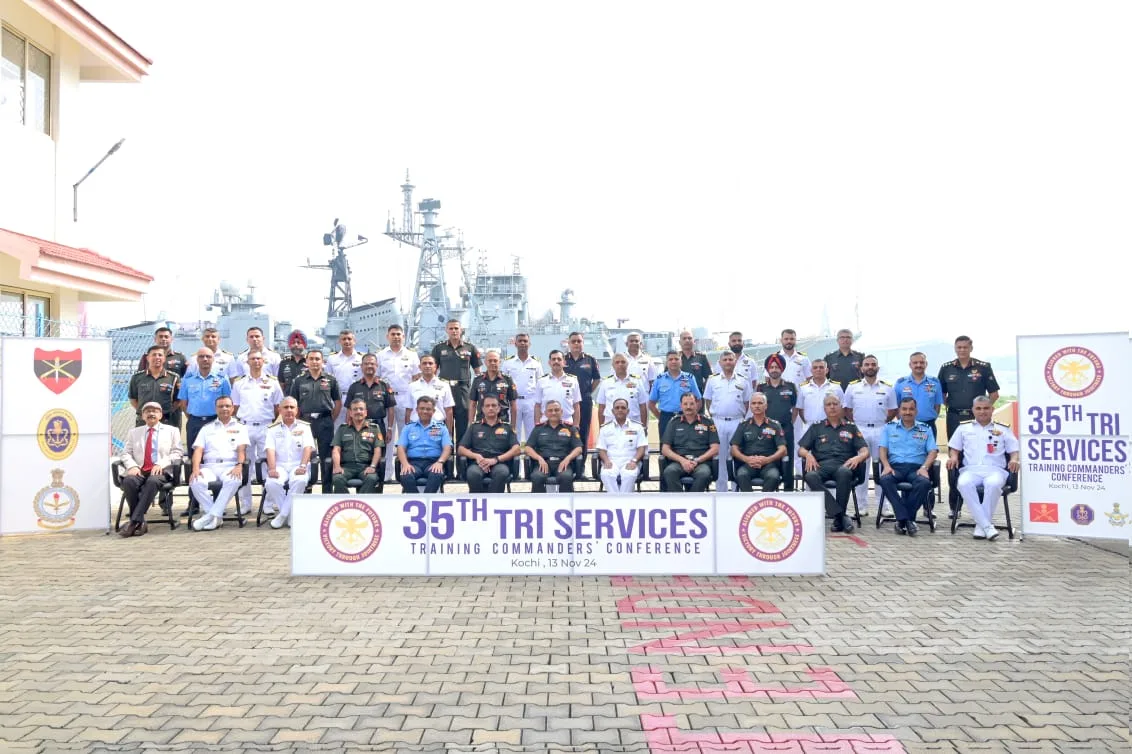
Since the establishment of the Chief of Defence Staff (CDS) and the Department of Military Affairs (DMA), India’s higher defence organisation has pursued systematic jointness in planning, procurement, logistics, and training. Drawing lessons from existing tri-service commands — the Andaman & Nicobar Command and the Strategic Forces Command — this paper examines the institutional building blocks required for integrated theatre commands.
The ‘RAKSHA’ Defence Diplomacy Framework: Strategic Partnerships, Joint Exercises & Export Statecraft
By Defence Observer Strategic Research Centre, Defence Diplomacy & International Relations Desk
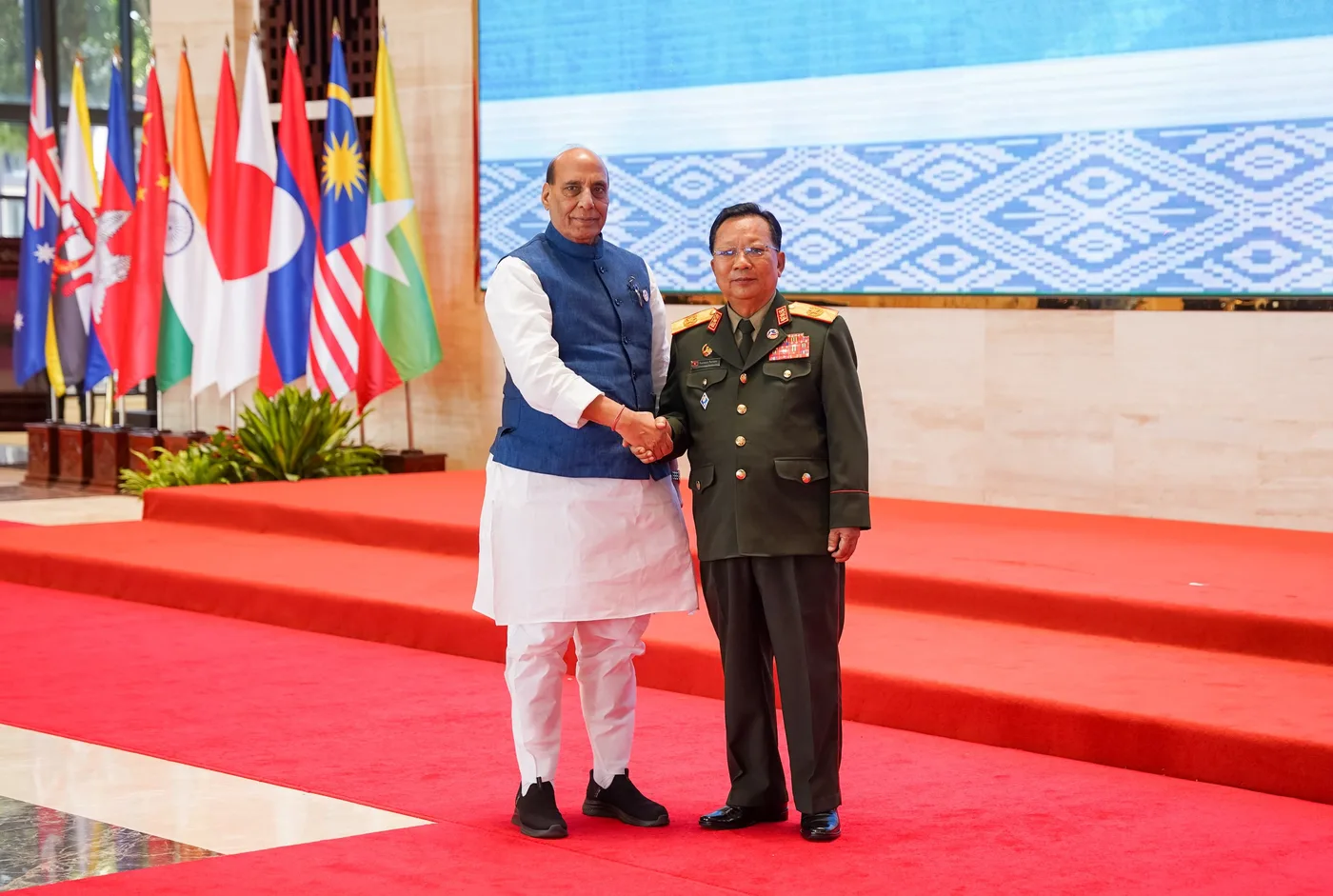
In September 2026, the Raksha Mantri released the ‘RAKSHA’ defence diplomacy document, identifying strategic partnerships, capacity building, indigenous defence exports, and maritime security as the core pillars for the coming decade. This paper examines how India’s bilateral defence agreements, joint military exercises, defence attaché network, and export cooperation reinforce strategic autonomy and regional stability.
Next War & Emerging Technologies: AI, Autonomous UAV/UCAVs, Counter-Drone, Electronic Warfare, Cyber & Space
By Defence Observer Strategic Research Centre, Emerging Technology & Future Warfare Desk
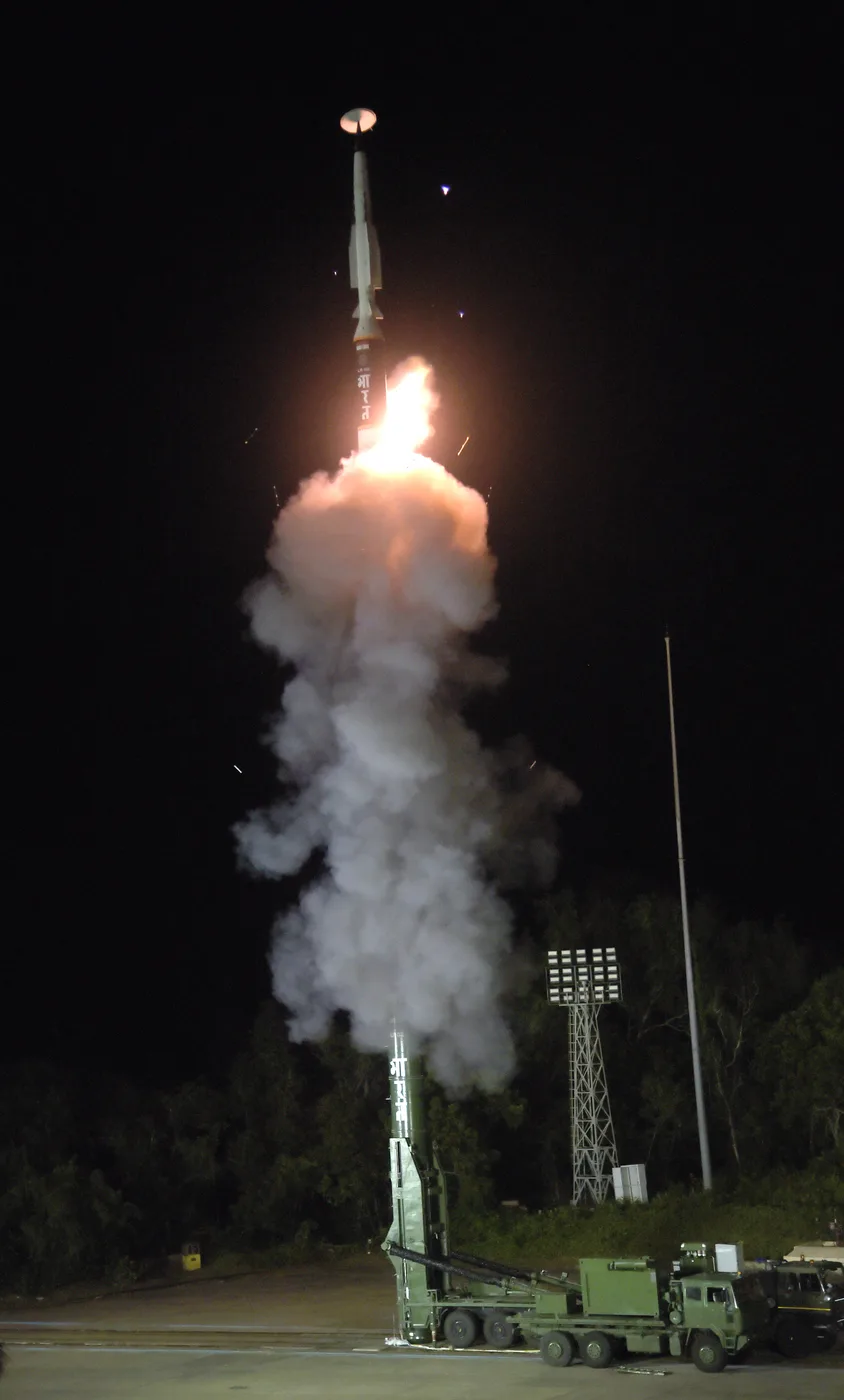
Recent conflicts demonstrate that sensor-to-shooter compression, low-cost unmanned saturation, counter-UAS layered defence, and electromagnetic spectrum denial are decisive determinants of battlefield outcomes. This study evaluates eleven emerging technology verticals — AI, autonomous systems, UAV/UCAV, counter-drone, cyber warfare, electronic warfare, space defence, quantum technologies, robotics, advanced sensors, and battlefield communications — within the Indian defence innovation landscape.
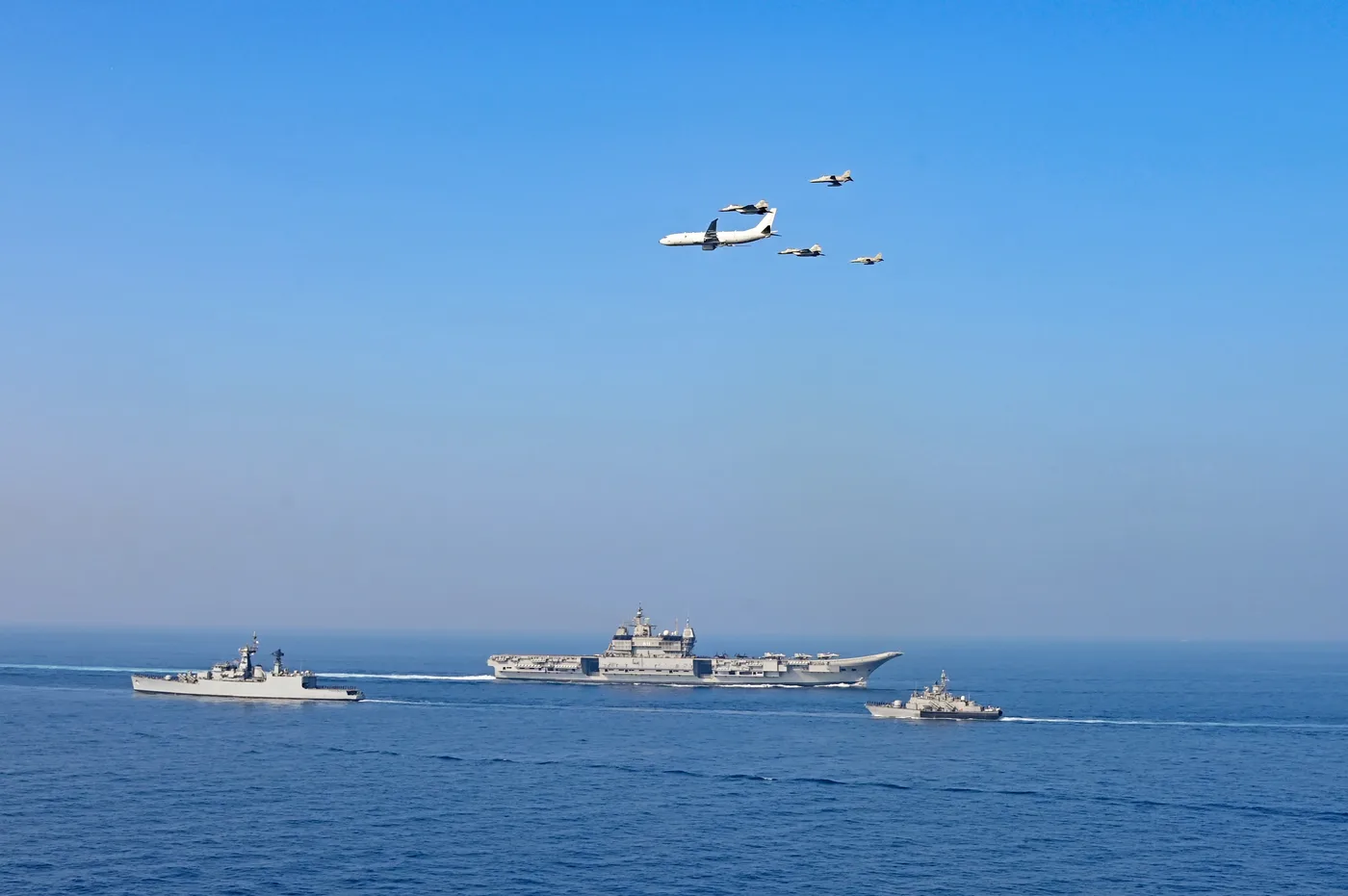
India’s Frontier Architecture: Land Borders, Maritime Bastions & 21st-Century Security Challenges
By Defence Observer Strategic Research Centre, Border & Frontier Studies Desk, Technical & Doctrinal Peer Review Council
India’s national security is fundamentally anchored to the safeguarding of its 15,106.7 km terrestrial perimeter and 7,516.6 km coastline. Spanning seven sovereign land neighbors and eighteen border States and Union Territories, India's frontiers encompass glaciated extremes along the Siachen Glacier and Eastern Ladakh, desert and marsh terrains in Rajasthan and Gujarat, dense montane jungles in the Northeast, and a vast 2.37 million sq km Exclusive Economic Zone (EEZ). This monograph synthesizes terrain realities, guarding forces (Indian Army, ITBP, BSF, SSB, Assam Rifles, Indian Navy, Coast Guard), and the five defining security challenges of our era—cross-border infiltration, demographic shifts, rogue drone proliferation, infrastructure acceleration, and civilizational frontier consciousness.

Atmanirbhar Bharat in Defence: Production (₹1.78 Lakh Crore), Private Sector Share (24%), and Export Scaling (₹38,424 Crore)
By Defence Observer Strategic Research Centre, Defence Industry & Economics Desk
In FY 2025–26, India’s annual defence production reached ₹1.78 lakh crore, with the private sector accounting for approximately 24% of total output. Simultaneously, Indian defence exports reached ₹38,424 crore across more than 80 countries, with private industry contributing ₹17,353 crore. This study analyses the structural drivers of India’s industrial expansion and outlines the Border to Boardroom™ framework linking operational requirements to industrial scale.
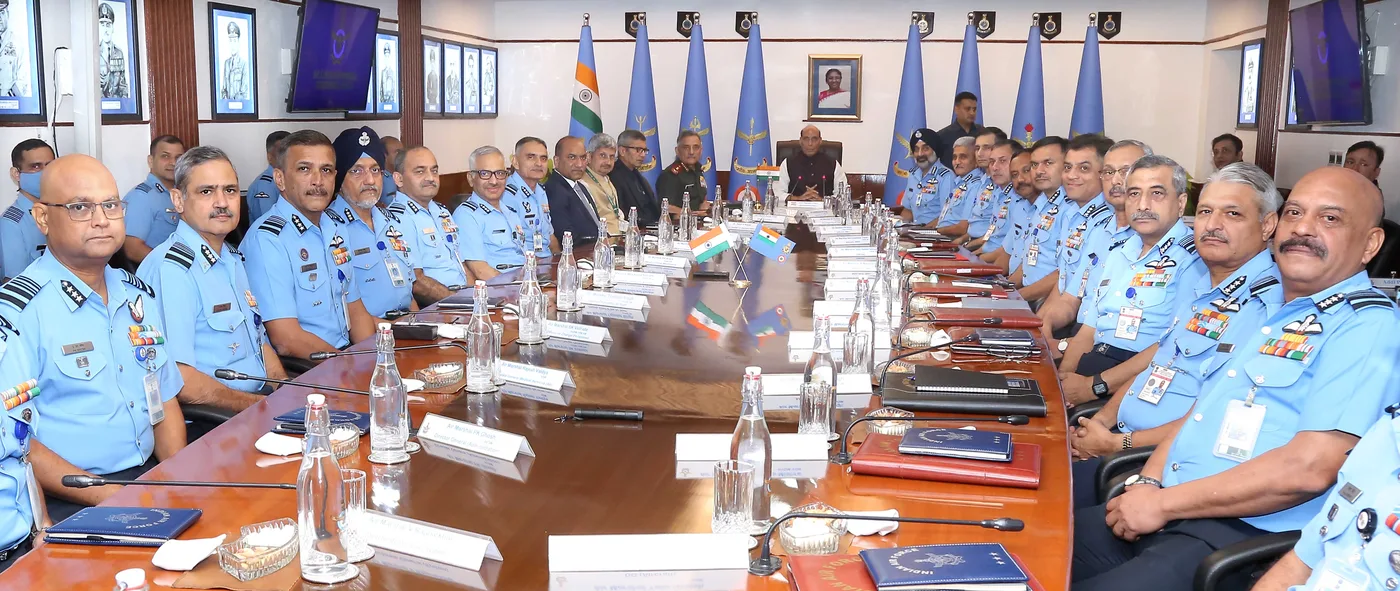
India’s FY 2026–27 Defence Allocation (₹7.85 Lakh Crore) & Capital Modernisation Trajectory
By Defence Observer Strategic Research Centre, Defence Policy & Modernisation Desk
In FY 2026–27, the Ministry of Defence received an allocation of ₹7.85 lakh crore, including a capital outlay exceeding ₹2.19 lakh crore. Approximately 75% of the capital acquisition budget has been earmarked for procurement from the domestic defence industry. This paper examines the structural composition of India’s defence expenditure, the balance between revenue sustainment and capital modernisation across the Army, Navy, and Air Force, and the institutional requirements for converting budgetary outlays into operational readiness.
Principal Research Areas & Focus Mandates
Strategic Research
India’s long-term strategic position, doctrine and national-security thought.
Defence Policy
Budgets, acquisition, reforms, theatre commands, jointness and indigenisation.
National Security Studies
Internal security, counter-terrorism, critical infrastructure and emerging threats.
Geopolitical Research
The Indo-Pacific, Indian Ocean, South Asia, West Asia and great-power relations.
Military Modernisation
Capability development across the three Services and the tri-service institutions.
Defence Industry Research
DPSUs, private industry, MSMEs, start-ups, corridors and exports.
Defence Technology Studies
AI, autonomy, drones, counter-drone, quantum, sensors and battlefield communication.
Border Security Studies
Frontier management along the northern, western, eastern and maritime frontiers.
Maritime Security
Coastal security, island territories, the Navy and the Coast Guard.
Space & Cyber Security
Space defence, cyber warfare and electronic warfare.
Defence Diplomacy
Agreements, exercises, exports, attachés and strategic partnerships.
Future Warfare
How technology and doctrine are reshaping the character of conflict.